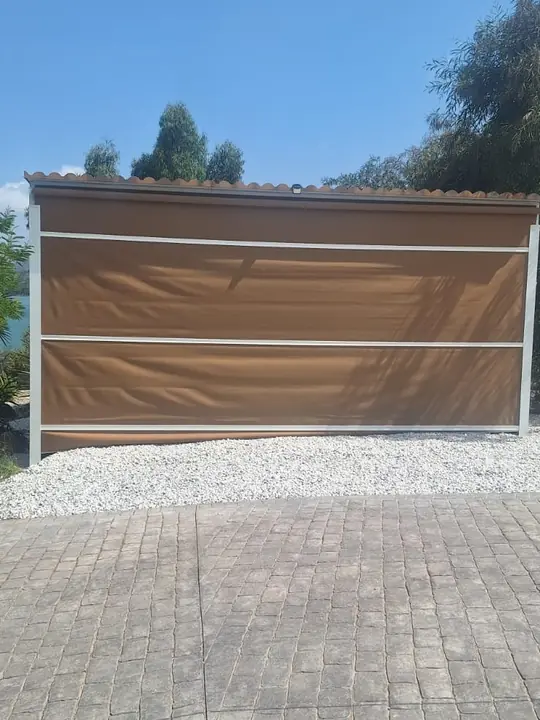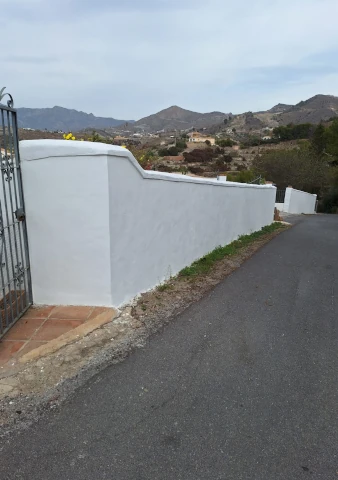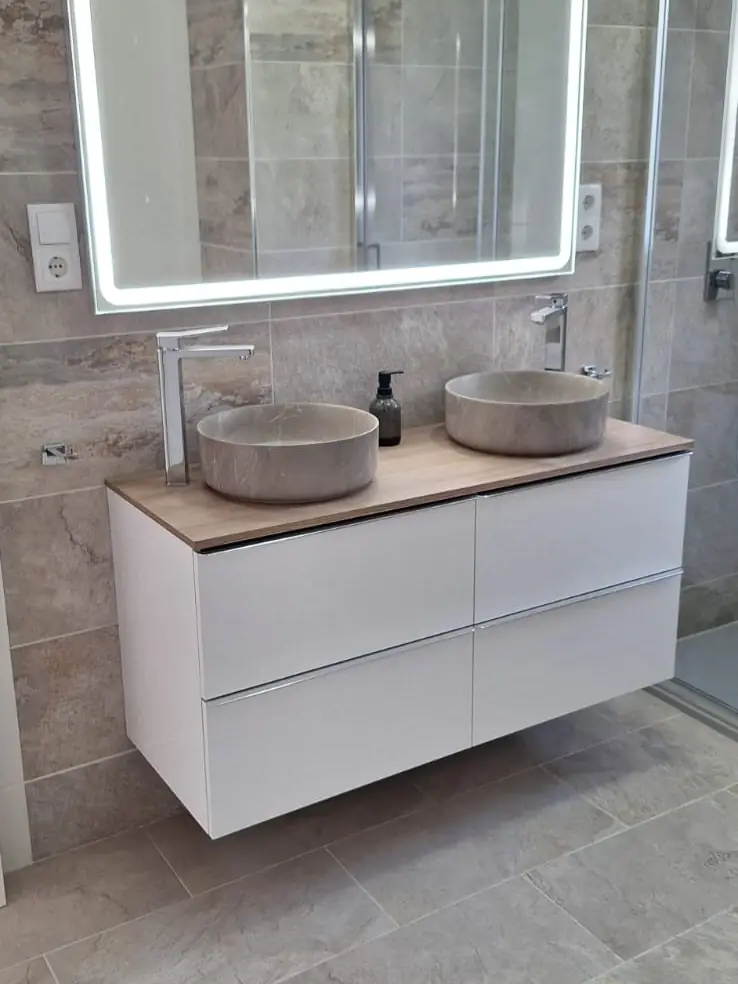
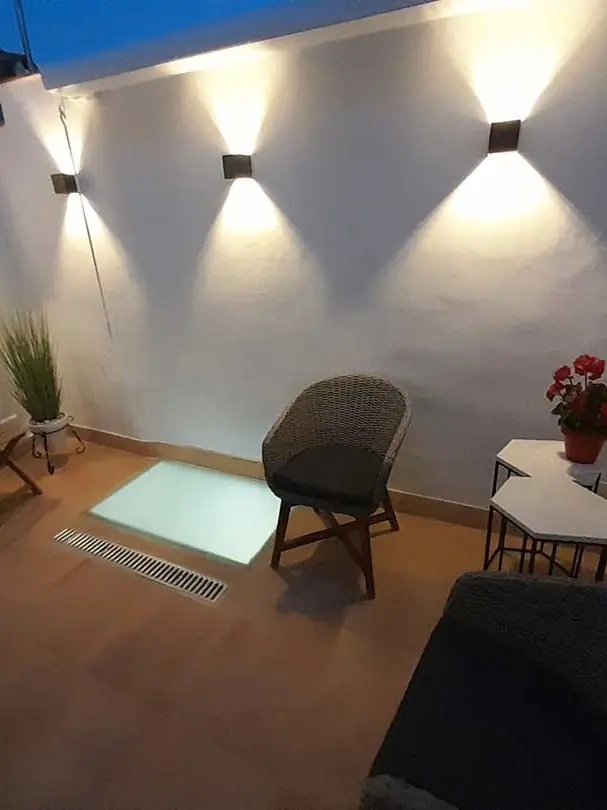
Sooner or later, most owners on this coast need a builder — for a leaking terrace, a tired bathroom, a full reform of a place they have just bought. The good ones are busy and worth waiting for; the bad ones cost you twice. This is the checklist we would give a friend buying in Nerja, Torre del Mar or the villages. It works on any builder, ourselves included — measure us against it.
1. Insist on a clear written quote
A verbal "about eight thousand" is not a quote. Ask for a written price for the whole job, valid for a set period, that states plainly what is and is not included — labour, materials, rubble removal, the licence and IVA. A proper written quote tells you the builder has actually thought the job through, and it protects both sides when a decision has to be made half-way through. If someone will only give you a single round number over the phone, or scribbles it on the back of a receipt, that tells you how the rest of the job will go. Our own quotes are free, in writing and valid for 30 days.
2. Understand the deposit and payment stages
In Spain it is completely normal to pay a deposit up front — commonly around 50% — because your builder buys materials, sanitaryware and tiles before the first day on site. What is not normal is being asked for 100% before any work starts. A fair structure is a deposit to book and buy materials, one or two stage payments tied to milestones on a longer job, and the final balance only when the work is finished and you are happy. We work to exactly that: 50% to book, balance on completion.
3. Ask for a factura with IVA
You will sometimes be offered a lower price "sin IVA" — cash, no invoice. It is tempting and it is a false economy. Without a factura you have no proof the work was done, no recourse if it fails, and nothing to show a buyer's lawyer when you sell — improvements you cannot document can complicate both the sale and your capital-gains position. Pay the IVA, keep the invoices in the same folder as your escritura, and thank yourself later.
4. Check the licence is named in the quote
Almost every job needs some form of permission, and the quote should say which — a licencia de obra menor for most refits, an obra mayor with an architect for anything structural. A builder who shrugs off licences is a builder who will leave you holding a fine, or a problem at sale time. If you are not sure what your job needs, our guide to obra menor versus obra mayor explains it in plain English.
5. Ask about insurance and liability
If a burst pipe during your bathroom refit floods the flat below, who pays? A professional builder carries liability insurance and takes responsibility for damage caused by the work. Ask the question directly. In an apartment block it matters even more, because your neighbour's ceiling is your builder's risk, not yours.
6. See real references and past work
Photos of finished jobs, a Google profile with reviews, the phone number of a past client who will talk to you — a builder with a track record can show all three without hesitating. Read the reviews for what they say about communication and tidiness, not just the star rating. Anyone can have one good photo; look for a consistent body of work.
7. Sort out communication before you start
If you are abroad for most of the year, communication is the whole job. Agree at the outset how you will be kept informed — for us that means photo updates on WhatsApp as the work moves, so you can see the tiling go down and the sanitaryware go in without flying over. A builder who goes quiet for two weeks while you are in Stockholm or Surrey is telling you something.
8. Get the guarantee in writing
Workmanship should be guaranteed, and the guarantee should be on paper. Ours is twelve months on the work, with materials keeping their manufacturer's warranty on top. A verbal "don't worry, I'll come back if there's a problem" is worth exactly nothing in February when the builder has stopped answering.
9. Know what to do if it goes wrong
Most jobs go fine. If one does not, keep a written record — your quote, your invoices, dated photos and your messages. Raise the problem in writing and give the builder a fair chance to put it right; most disputes are misunderstandings that a calm email solves. If it cannot be resolved, Spain has a consumer-arbitration system, each town hall has an OMIC (municipal consumer office), and the Junta de Andalucía runs a regional consumer service. This is general guidance, not legal advice — but knowing the route exists changes the conversation.
The quiet point
Read that list again and you will notice it is simply a description of how a serious builder already works: everything written down, sensible payments, proper paperwork, honest updates, a guarantee. We built the way we work around exactly these expectations, because the clients who ask these questions are the clients we like. If you are lining up quotes for a project anywhere from Rincón de la Victoria to Nerja, ask every builder the nine questions above — and see who answers cleanly.
Planning a reform and want a quote you can actually compare? See how we handle full reforms, take a look at our work in Nerja, and ask us for a free written quote.